 SmartScroll
The short answer: a literal dopamine detox is not a real thing. Dopamine is a basic neurotransmitter involved in movement, motivation and learning; you cannot fast it away, and abstaining from pleasure for a weekend does not "reset" your baseline. What the trend gets right is this: rapid-fire variable rewards, like short-form video, train your brain to expect payoffs every few seconds, which makes slower rewards feel unbearable. The fix is not abstinence. It is retraining the reward cycle, and that works.
Where the idea came from, and where it went wrong
The original concept, popularized around 2019, was a behavioral exercise: take a day away from your most compulsive stimuli so you can notice the urges and reflect. Reasonable. The internet version escalated into pseudo-neuroscience: no phone, no music, no eye contact, as if dopamine were a toxin you could sweat out. It isn't. Your dopamine system is not broken, and it does not need a cleanse.
What heavy feed use actually does is narrower and better documented. Studies on short-video addiction symptoms have linked heavy use to poorer attention and impulse control and, in neuroimaging work, to differences in decision-making patterns (the numbers are compiled in our statistics page). The problem is not "too much dopamine." The problem is a reward loop trained to a 5-second cycle, which people experience as brain rot.
Why abstinence-only detoxes fail
- The craving outlives the weekend. A 48-hour phone fast doesn't retrain anything; it just pauses the loop. Monday's brain still expects a payoff every swipe, and the rebound binge erases the break.
- They punish the wrong behaviors. Music, exercise and dinner with friends all involve dopamine. Cutting everything pleasurable to fix a TikTok habit is like fasting entirely because you eat too much candy.
- Reflexes need replacement, not absence. Habit research is consistent: you don't erase a trained behavior, you redirect it. Empty abstinence leaves the swiping reflex with nowhere to go except back to the feed.
The version that works: retrain the cycle, don't fast it
Think of it as interval training for your reward system, run over two to four weeks:
- Cap the fastest loops. Short-form feeds are the 5-second cycle. In SmartScroll, set daily limits on TikTok, Reels, Shorts and X, and add schedules for mornings and bedtime.
- Redirect the reflex to a medium cycle. When your limit hits, SmartScroll interrupts the loop and offers knowledge cards: the same swipe gesture, but the reward is a fact or insight that takes ten seconds to absorb and actually sticks. This is the step abstinence skips, and it is why the redirect holds where cold turkey collapses.
- Reintroduce slow rewards daily. A chapter, a full podcast, a long video, a walk without headphones. This is the actual "detox": stretching your tolerance for delayed payoff back to normal.
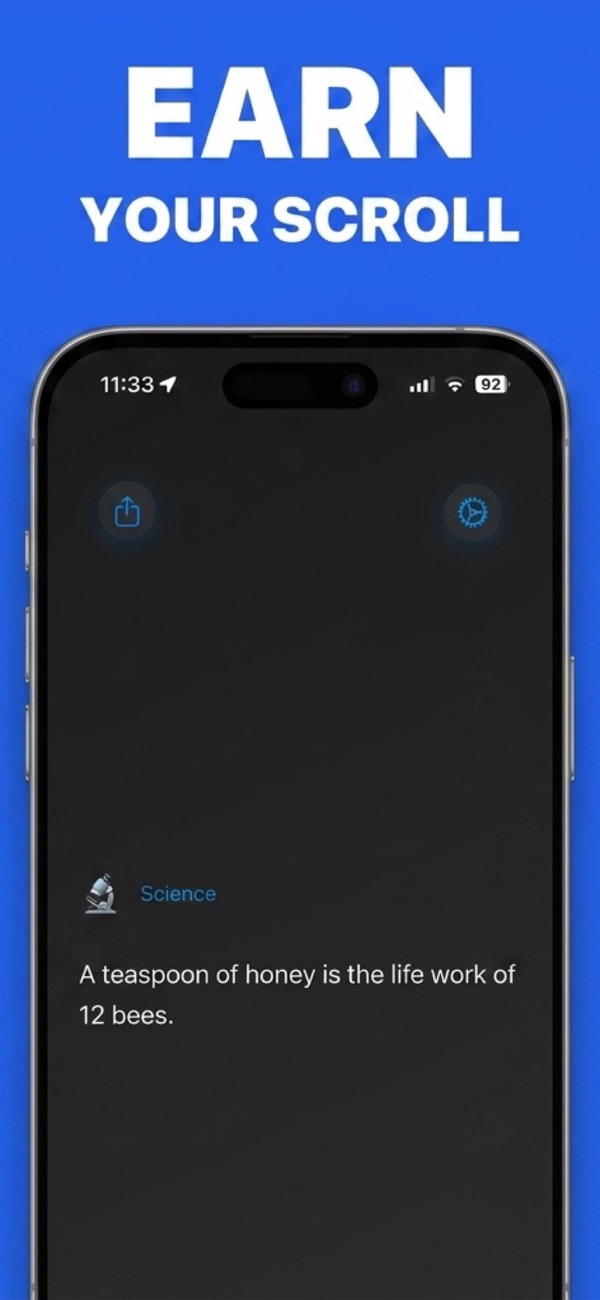
The honest framing: you are not detoxing dopamine. You are retraining what your reward system expects per minute. That takes two to four weeks of consistent limits and replacement, not a heroic weekend of staring at a wall.
What to expect
Week one feels restless: the interruptions fire often and slow content feels like wading. By week two the phantom reaching fades. By week three or four, long-form starts paying off again, and the feeds start feeling too fast, which is the signal that the recalibration took. The full protocol, including the sleep window that accelerates everything, is in the 30-day phone addiction plan.
Skip the pseudo-science. Keep the result.
Cap the fast loops and retrain the cycle.